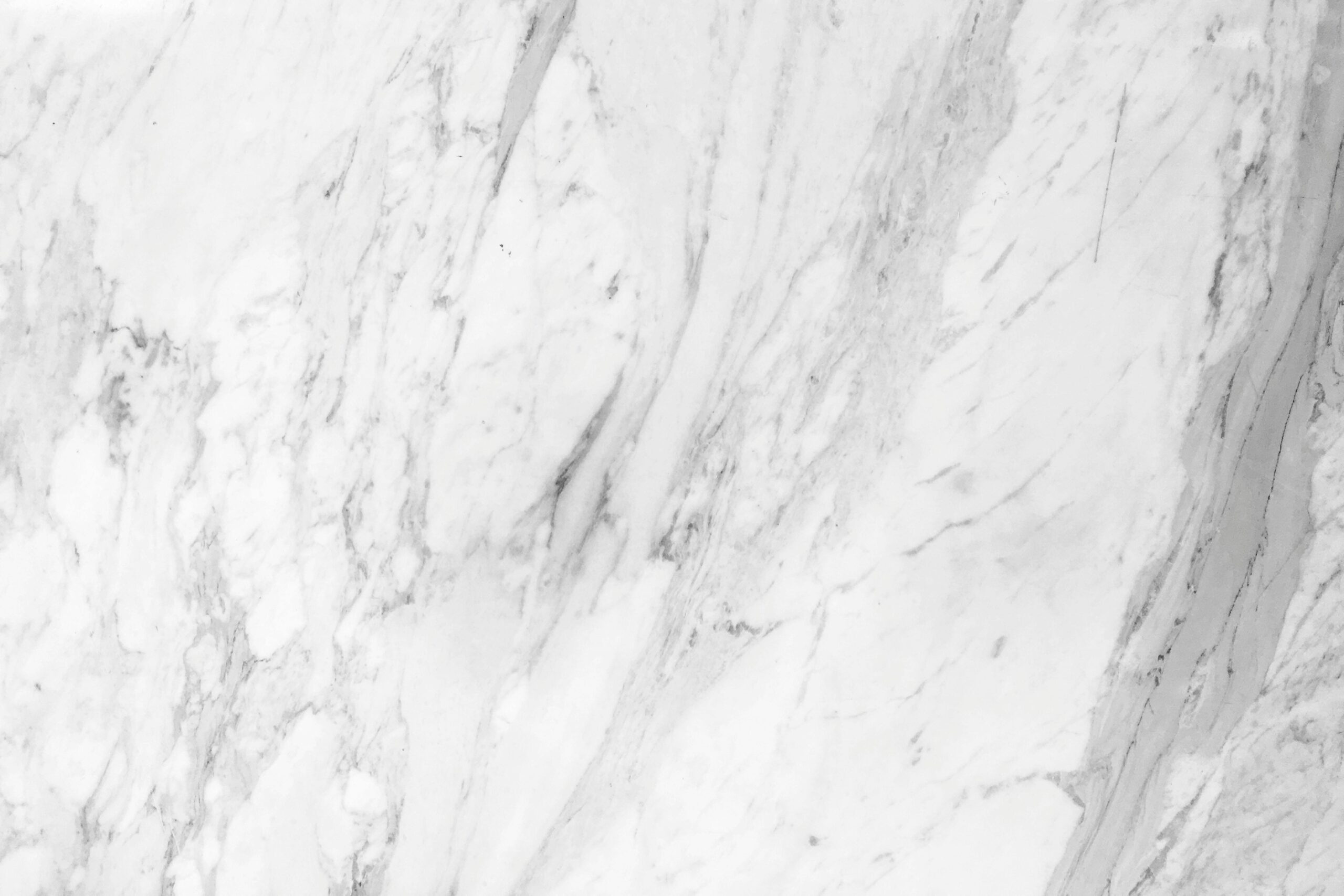
Installing Taj Mahal Quartzite is a major design investment. It’s one of the most sought-after natural stones in the United States, known for its soft white background, warm beige undertones, and subtle gold veining. But before you move forward with installation, there are critical details every homeowner, contractor, and designer should understand.
This guide covers everything you need to know about Taj Mahal Quartzite in the USA before installation—from slab selection and fabrication to sealing, cost planning, and long-term maintenance.
Understanding What Taj Mahal Quartzite Really Is
Taj Mahal Quartzite is a natural metamorphic stone, primarily quarried in Brazil. While it looks similar to marble, it is significantly harder and more durable. Quartzite forms when sandstone is subjected to intense heat and pressure, creating a dense and highly resilient material.
Many homeowners assume it behaves like marble because of its appearance. In reality, Taj Mahal Quartzite performs more like granite in terms of strength and scratch resistance.
Before installation, it’s important to confirm that the slab you’re purchasing is true quartzite and not mislabeled soft stone. Reputable USA stone suppliers can verify this.
Slab Selection: Every Piece Is Unique
No two slabs of Taj Mahal Quartzite are identical. Variations in veining, color warmth, and movement are completely natural.
Before approving your slab:
- Visit the stone yard in person
- View the full slab (not just a sample)
- Inspect for cracks or fissures
- Check for consistent tone across the slab
- Discuss layout orientation with your fabricator
If you’re planning a waterfall island or full-height backsplash, vein direction matters significantly. Make sure your fabricator maps the cuts carefully before fabrication begins.
Thickness and Edge Profile Considerations
In the USA, Taj Mahal Quartzite is typically available in:
- 2 cm (¾ inch) thickness
- 3 cm (1¼ inch) thickness
Most American kitchens prefer 3 cm slabs because they provide a more substantial, luxurious look without requiring additional edge buildup.
Popular edge profiles include:
- Eased edge (clean and modern)
- Beveled edge
- Ogee edge (more traditional)
- Mitered edge for waterfall islands
Your choice affects both aesthetics and fabrication cost.
Cabinet Support and Structural Requirements
Quartzite is heavy—heavier than marble and comparable to granite. Before installation, ensure:
- Cabinets are level and properly secured
- Additional support brackets are installed for overhangs
- Large islands are reinforced if needed
For overhangs longer than 10–12 inches, hidden steel brackets or corbels may be required. Professional installers in the USA will assess this during templating.
Templating and Measurement Process
Templating is one of the most critical steps before installation. This process ensures your countertops fit precisely.
During templating:
- Exact cabinet dimensions are measured
- Sink and cooktop cutouts are mapped
- Seam locations are determined
- Vein direction is planned
Always review the slab layout drawing before fabrication begins. Once cut, adjustments are limited.
Sealing Requirements Before and After Installation
Taj Mahal Quartzite is dense but still porous. It requires sealing to protect against staining.
Important sealing facts:
- Most fabricators apply an initial seal before installation
- A second seal may be recommended after installation
- Annual resealing is typically advised
In busy American kitchens, especially those with frequent cooking and entertaining, maintaining a sealing schedule is essential for longevity.
Understanding the Installation Day Process
Professional installation usually takes a few hours depending on project size.
What to expect:
- Old countertops removed (if remodel)
- Cabinets checked for level
- Slabs carefully placed and secured
- Seams joined and polished
- Sink and faucet installed
- Final sealing if required
You should avoid using the countertops for at least 24 hours after installation to allow adhesives and sealers to fully cure.
Cost Factors Before Installation
In the USA, Taj Mahal Quartzite typically ranges:
- $60–$120 per square foot (material)
- $90–$150+ per square foot (installed)
Factors affecting cost:
- Slab quality and rarity
- Thickness selection
- Edge profile complexity
- Number of seams
- Sink cutouts (undermount vs farmhouse)
- Backsplash installation
Always request a detailed quote that includes fabrication, installation, cutouts, and sealing.
Common Mistakes to Avoid
Before installing Taj Mahal Quartzite, avoid these common errors:
- Choosing slabs based only on small samples
- Ignoring vein direction planning
- Skipping professional installation
- Not budgeting for proper sealing
- Underestimating cabinet reinforcement needs
Working with experienced USA stone fabricators significantly reduces risk.
Is Taj Mahal Quartzite Right for Your Lifestyle?
Before installation, consider your household habits.
Taj Mahal Quartzite is ideal for:
- Busy family kitchens
- Open-concept entertaining spaces
- High-end remodels
- Luxury new construction
It may not be necessary for low-use kitchens where budget is the top priority. However, for homeowners seeking long-term durability and timeless elegance, it is often worth the investment.
Long-Term Maintenance Expectations
Once installed, Taj Mahal Quartzite is relatively low maintenance compared to marble.
Routine care includes:
- Cleaning with mild soap and water
- Avoiding harsh chemical cleaners
- Using cutting boards to protect the surface
- Resealing annually
With proper care, Taj Mahal Quartzite can last decades without losing its visual appeal.
Climate Considerations in the USA
In warmer states like Texas, Florida, Arizona, and California, Taj Mahal Quartzite performs exceptionally well due to its heat resistance.
In colder regions, proper sealing and professional installation ensure durability even with temperature fluctuations.
For outdoor kitchens, confirm that your fabricator uses weather-resistant adhesives and sealers.
Final Thoughts Before Installation
Taj Mahal Quartzite remains one of the most desirable natural stones in the USA interior design market. Its combination of:
- Marble-like beauty
- Granite-level durability
- Warm neutral tones
- Long-term value
makes it a smart choice for modern homes.
However, the success of your project depends heavily on proper slab selection, expert fabrication, and professional installation.
Taking the time to plan carefully before installation ensures that your Taj Mahal Quartzite countertops not only look stunning but also perform flawlessly for years to come.s.
Frequently Asked Questions About Taj Mahal Quartzite Installation
1. What should I know before installing Taj Mahal Quartzite?
Before installing Taj Mahal Quartzite, you should inspect the full slab in person, confirm thickness (2 cm or 3 cm), review seam placement, and ensure cabinets are structurally reinforced to support the weight.
2. How much does Taj Mahal Quartzite installation cost in the USA?
In the USA, Taj Mahal Quartzite typically costs $60–$120 per square foot for material and $90–$150+ per square foot installed. Final pricing depends on slab quality, edge profile, cutouts, and labor.
3. Does Taj Mahal Quartzite need sealing before installation?
Yes. Taj Mahal Quartzite should be sealed to prevent staining. Most fabricators apply a sealer before or after installation, and homeowners should reseal annually for best performance.
4. Is Taj Mahal Quartzite heavy?
Yes. Taj Mahal Quartzite is a dense natural stone and heavier than marble. Cabinets must be level and properly supported before installation, especially for large islands and overhangs.
5. How long does Taj Mahal Quartzite installation take?
Installation usually takes a few hours for standard kitchen countertops. Larger projects with waterfall edges or backsplashes may require more time.
6. Can Taj Mahal Quartzite crack during installation?
When handled by experienced professionals, cracking is rare. However, improper cabinet support, transportation damage, or poor fabrication can increase the risk.
7. Is Taj Mahal Quartzite better than marble for kitchens?
Yes, for most USA households. Taj Mahal Quartzite is more scratch-resistant and less prone to etching compared to marble, making it more practical for busy kitchens.
8. Can Taj Mahal Quartzite be installed outdoors?
Yes. Taj Mahal Quartzite performs well in outdoor kitchens due to its heat resistance and durability. Proper sealing and professional installation are essential, especially in extreme climates.
If you’d like, I can now generate FAQ Schema (JSON-LD) to help you earn rich snippets in Google search results.